Shrinking Planet Mac OS
The best space photos allow us to take in the majesty of our universe. From the early, grainy images of the Martian surface sent from the Viking 1 lander to humanity's first close-up of Pluto's. Follow the steps to reduce PDF file size on mac without losing quality. Step 1 Download Free Trial of Cisdem PDF Compressor (Safe and Only 1.3MB) Free Download. Step 2 Drag and drop PDF files into the program. Step 3 Choose a compression mode (4 modes available) Step 4 Click “Compress” to start shrinking.
Browse and download Minecraft Shrink Maps by the Planet Minecraft community. You start out by choosing the Ice planet for an untimed relaxing game or the Fire planet for a fast paced timed game. Each chapter has 6 levels to complete and each level has a different challenge.On one level you may have to match a certain amount of red tiles, green tiles or yellow tiles and you have to achieve those goals in a certain amount. NOTICE: WATCH THE VIDEO FIRST BEFORE DOING ANYTHINGThis is a tutorial video on how to shrink Mac OS 10.5 Leopard so it can fit on a single-layer DVD.
Shrinking Planet Mac Os Catalina
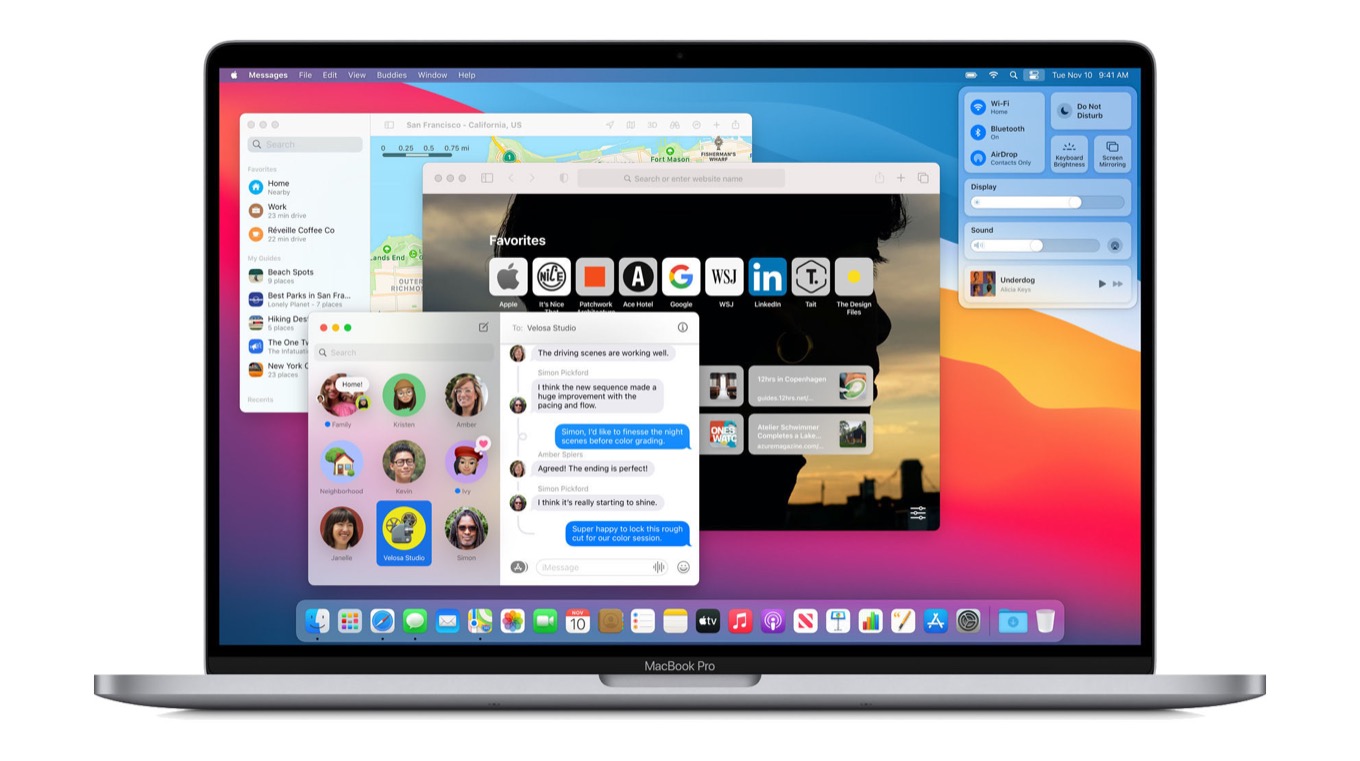
Shrinking Planet Mac Os 11
I'm not a complete novice. I've been using the command-line since pre-PC days, some 40 years ago. I was an early Macintosh user, and then spent most of the last 30 years managing Windows servers and networks. I've played with the Linux command-line from time to time for the past 5 years. Nevertheless, I'm a novice concerning Linux, and particularly Ubuntu Server.
The goal is to replace a Windows Server featuring Hyper-V host, and three Server VM Guests. The new hardware is based on a SuperMicro MBD-H12SSL-NT motherboard with 128GB RAM. This motherboard does NOT include the RAID controller, but rather interfaces the disks directly. The CPU is a single Epyc 7262, Rome, 7002 series, with 8 cores.
When I say 'Need General Direction', I'm asking for help to find documentation on ZFS and using it to install Ubuntu Server as a VM Host using as many built-in tools as possible.
My current understanding is that it's possible to boot from ZFS. It's possible to create a VM Host using KVM and QEMU without using a third party Host. It would be ideal to find technical manuals on these specific subjects and white papers which include example procedures. Also, I welcome your comments, suggestions, and advice.
I've spent a few weeks investigating and now feel totally confused over conflicting information. I recognize that ZFS is considered experimental on Ubuntu Server and that some tools are non-existent, for example to add additional disks after the original configuration. However, it appears to me that it's possible to boot from a Live flash drive, define the ZFS array, install GRUB, and then install Ubuntu Server.
The rest of my new hardware will arrive in about a week, and since the current Microsoft Server is still functioning fine, there's no rush. I have time to experiment, including any experiments that you may suggest. I expect to try multiple installations while writing my own white paper. Thank you ahead of time for your gentle guidance.